Premier League Clubs Expand Ties to Unlicensed Gambling Partners as Regulatory Shifts Take Hold
Written by Morgan Berger · Sep 12, 2026
Premier League Clubs Expand Ties to Unlicensed Gambling Partners as Regulatory Shifts Take Hold
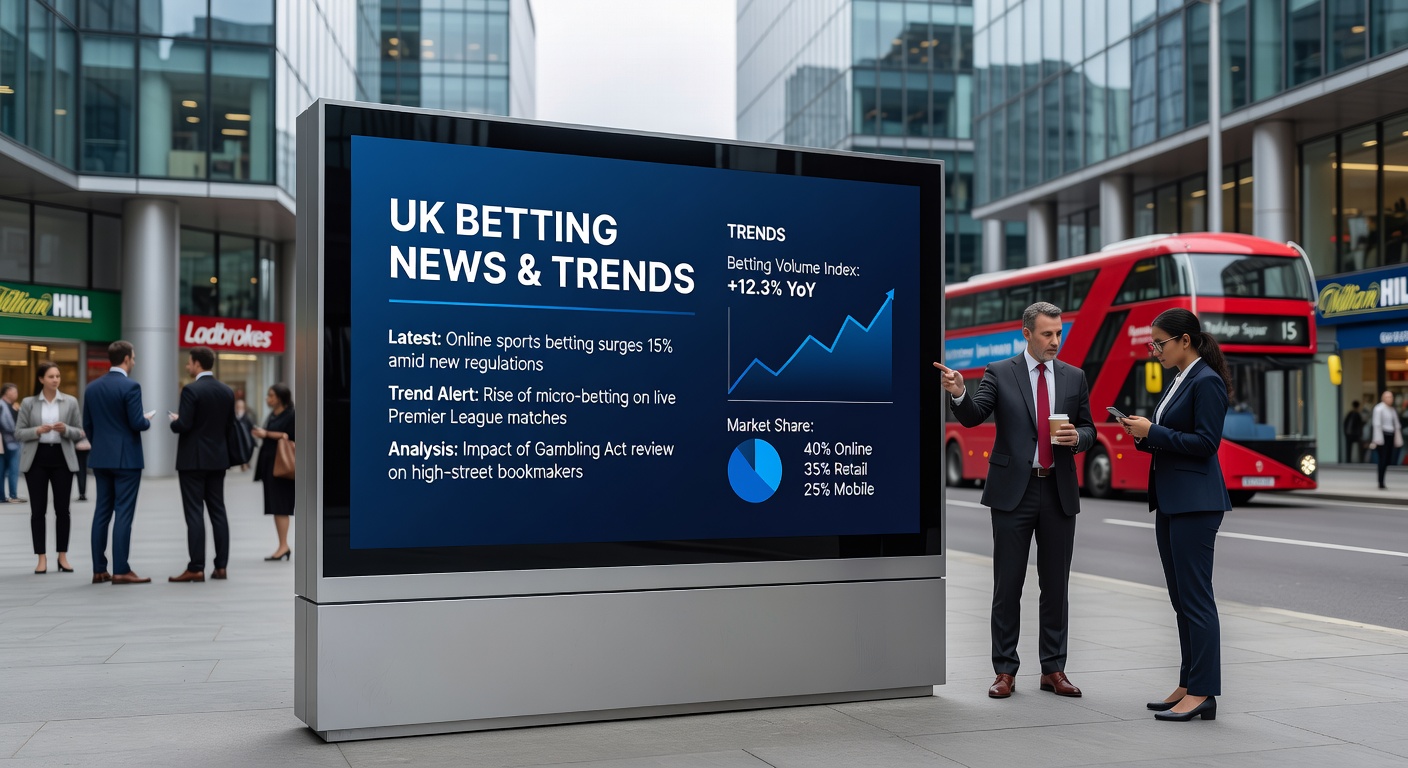
Half of the Premier League’s twenty clubs now maintain sponsorship or advertising relationships with gambling companies not licensed in the UK, a figure that has risen from six clubs to ten over the summer months, and observers note this development coincides with the league’s voluntary ban on gambling firms serving as front-of-shirt sponsors during the current season.
The increase reflects a broader pattern where clubs seek alternative revenue streams while the government consultation on prohibiting sponsorship deals with unlicensed operators wrapped up after eight weeks, and a formal ban on such arrangements is scheduled to begin next year amid ongoing expansion in Britain’s unregulated betting sector.
Voluntary Ban Shapes Front-of-Shirt Sponsorships
The Premier League introduced its voluntary restriction on gambling companies appearing as main shirt sponsors starting this season, and clubs have responded by redirecting partnerships toward other advertising formats or operators outside UK licensing rules, which allows the league to maintain compliance on visible kit placements while still engaging the sector through perimeter boards, digital promotions, and sleeve deals.
Ten clubs have already established these connections with unlicensed entities since the summer window opened, bringing the total to half the league’s membership, and this shift occurs because the voluntary measure targets only the most prominent front-of-shirt position rather than all forms of commercial association.
Government Consultation Closes With Ban Planned for Next Year
An eight-week public consultation period on blocking sponsorships from unlicensed gambling companies ended recently, and the process gathered input from industry stakeholders, regulators, and clubs about how to enforce restrictions on operators that fall outside the UK Gambling Commission’s oversight, with the resulting legislation expected to take effect in 2027.
Those who participated in the consultation reviewed proposals that would extend the voluntary front-of-shirt rule into a statutory prohibition covering multiple sponsorship categories, and the timeline positions the new rules to begin after the current season concludes so clubs can adjust existing contracts without immediate disruption.
Unregulated Betting Market Continues to Grow
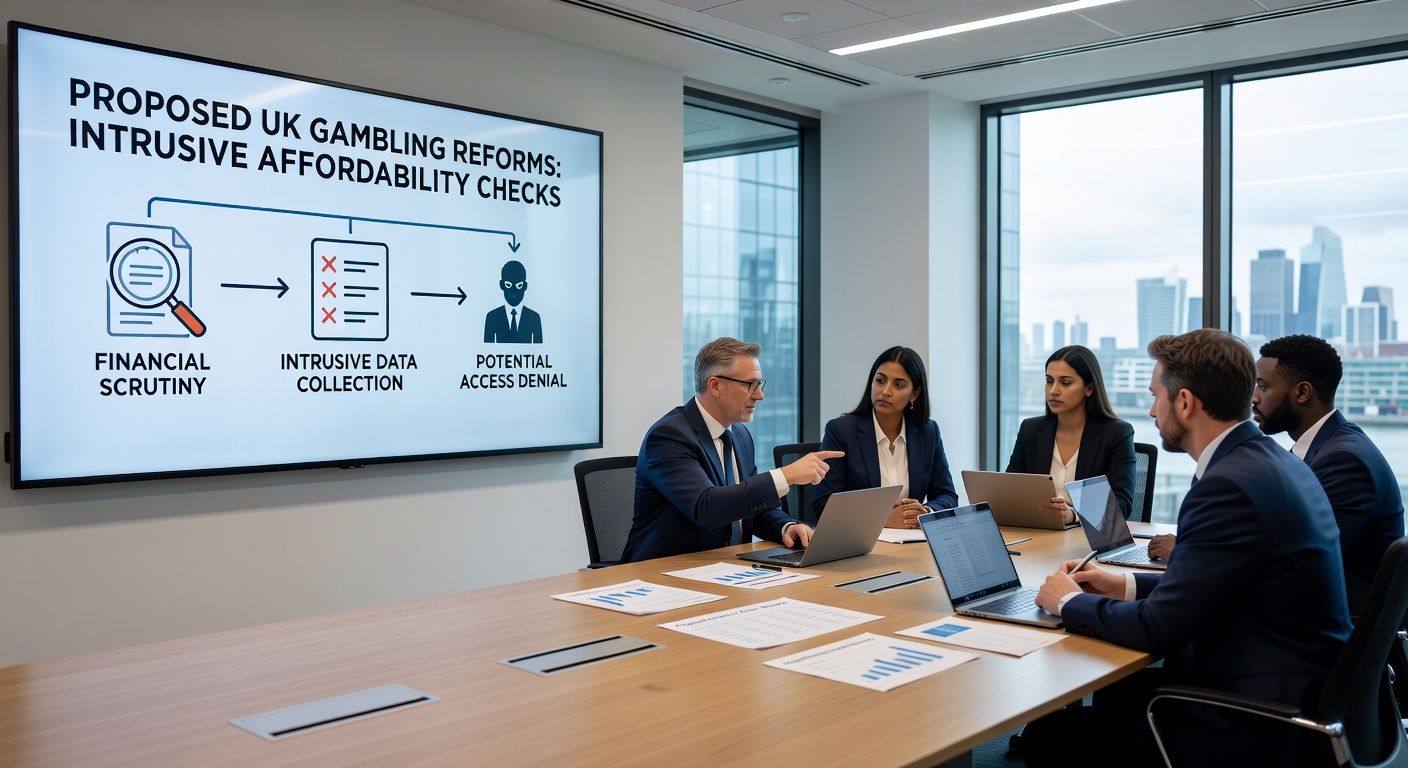
Britain’s unregulated betting market has expanded in parallel with these regulatory moves, and data from industry monitors show unlicensed operators capturing larger shares of online activity through offshore platforms that avoid domestic tax and compliance requirements, which creates pressure on licensed operators and clubs seeking stable sponsorship income.
The growth of this shadow sector means clubs face a choice between reducing gambling-related revenue or forming relationships with companies that operate beyond UK borders, and the upcoming statutory ban aims to close that loophole by making sponsorship with unlicensed firms explicitly prohibited across the league.
Impact on Club Revenue Strategies
Clubs that added unlicensed partnerships over the summer did so while the voluntary front-of-shirt ban remained in force, and this approach allows them to retain gambling sector income through non-shirt channels such as training kit logos, stadium naming rights elements, and social media campaigns that fall outside the voluntary restrictions.
The total number of clubs involved reached ten by early September 2026, and analysts tracking these arrangements note that the six additional deals signed since June represent a direct response to the combination of the voluntary measure and the pending statutory changes expected next year.
Timeline and Enforcement Outlook
The government has indicated the prohibition on unlicensed operator sponsorships will apply from the start of the 2027 season, and this gives clubs roughly twelve months to review and potentially exit agreements that would violate the new rules once they become law.
Enforcement mechanisms under discussion include fines for clubs that continue such partnerships and requirements for operators to demonstrate UK licensing status before any advertising contracts can be approved, and the consultation responses are expected to shape the precise wording of the legislation that will be introduced in parliament later this year.
Conclusion
The Premier League’s current halfway mark of ten clubs holding relationships with unlicensed gambling companies marks a clear acceleration from the six recorded at the start of the summer, and the combination of the voluntary front-of-shirt ban plus the forthcoming statutory prohibition creates a defined transition period for clubs to adapt their commercial strategies before the rules tighten further in 2027.
These changes unfold against sustained expansion in the unregulated betting market, and the developments together illustrate how sponsorship patterns are adjusting in real time while the regulatory framework moves from voluntary guidance toward mandatory restrictions on unlicensed operators.