Evoke Urges UK Government to Review Further Gambling Tax Hikes Following Recent Shop Closures
Written by Katja Krüger · Oct 24, 2026
Evoke Urges UK Government to Review Further Gambling Tax Hikes Following Recent Shop Closures
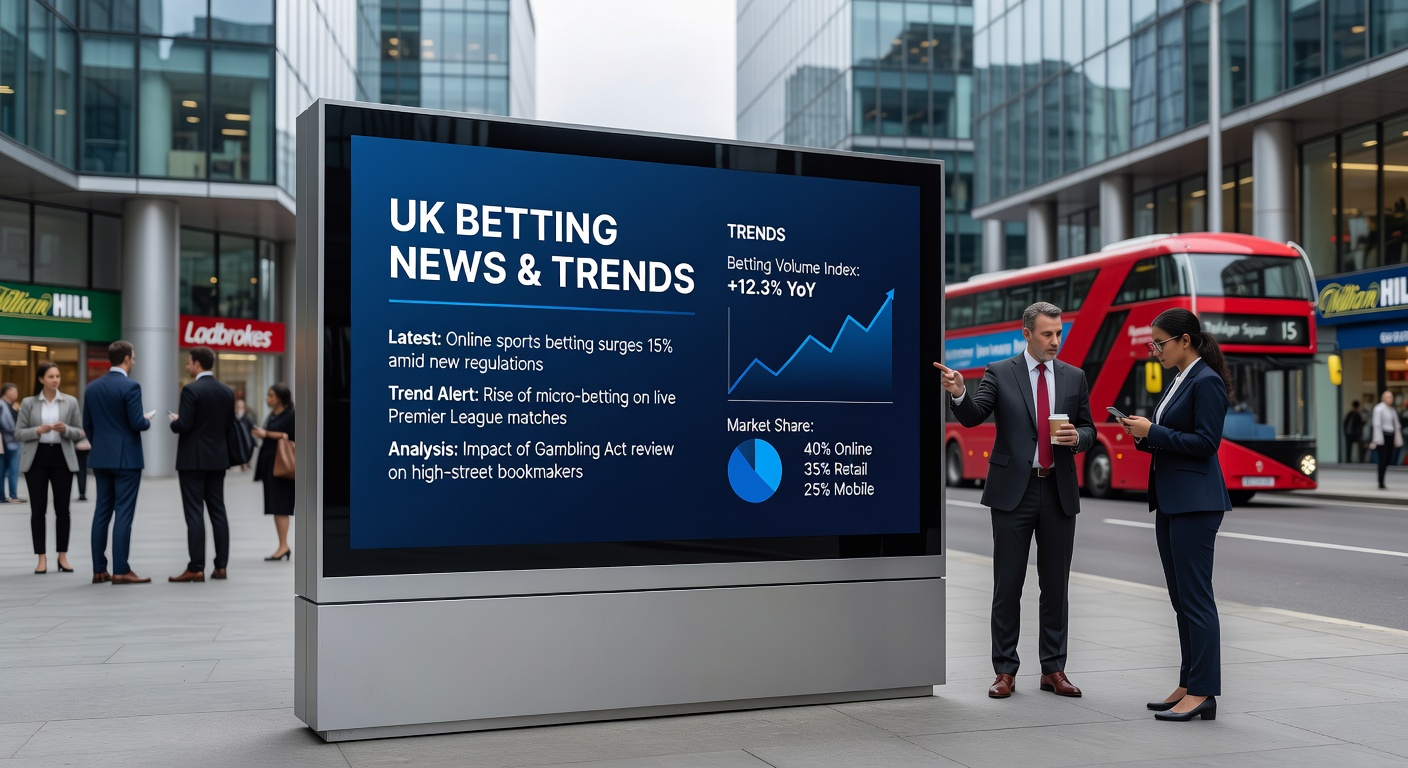
Evoke, the company behind William Hill, has called on the UK Government to examine any additional tax increases for the gambling sector with care, and it has pointed directly to the closure of around 270 betting shops as a consequence of measures introduced in the previous Budget. The firm made these statements in October 2026, at a time when industry participants prepare for the next fiscal announcement and review how earlier duty adjustments have affected operations across land-based outlets. The closures occurred after remote gaming duty rose from 21% to 40%, a change scheduled to take effect from April 2026, while a separate 25% duty on online sports betting is set to begin in 2027. Observers note that these shifts, combined with potential rises in machine games duty under consideration, have prompted operators to reassess their retail networks, and Evoke has linked the 270 closures explicitly to the cumulative weight of those prior decisions.Details on Shop Closures and Budget Impacts
Company representatives explained that the previous Budget alterations created conditions under which maintaining the full network of betting shops became unsustainable for many locations. Data released alongside the announcement shows that the 270 closures represent a measurable contraction in physical retail presence, and the firm has presented these figures to illustrate how tax policy translates into operational choices on the ground. Those who track retail betting trends have seen similar patterns emerge when duty rates climb, because higher costs reduce margins and force decisions about which sites remain viable.
Further tax adjustments remain under discussion ahead of the upcoming Budget, and Evoke has requested that ministers weigh the employment and community effects before proceeding. The call comes at a moment when the sector already navigates multiple duty changes layered across different product types, from remote gaming through to sports betting and gaming machines.
Preparation for Acquisition by Bally’s Intralot
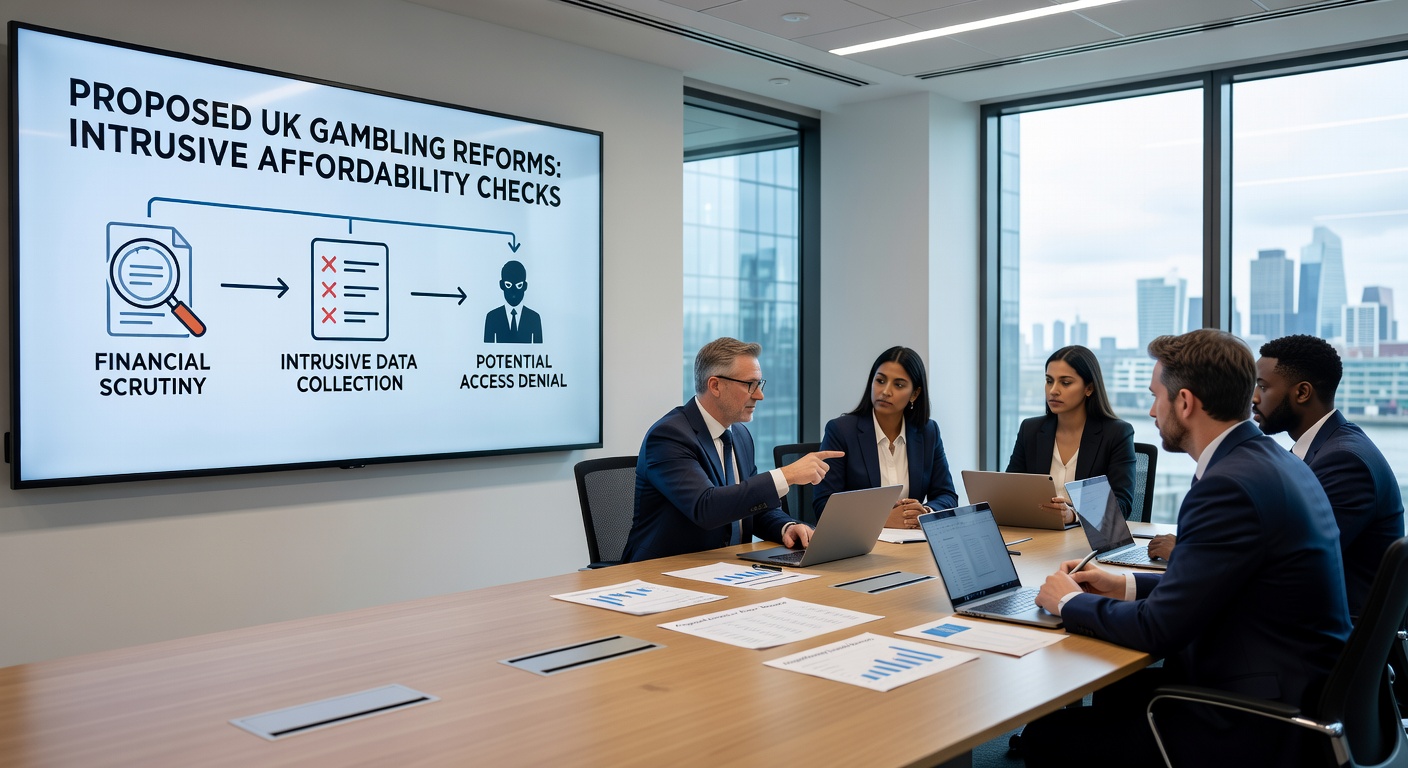
Alongside the tax-related statements, Evoke confirmed it is advancing toward a £243 million takeover by the Greek operator Bally’s Intralot, with completion expected by the end of 2026 or early 2027. The transaction forms part of broader consolidation activity within the European gambling market, and company filings indicate that the deal remains on schedule despite the parallel policy discussions in the UK. Integration planning has already begun, and the two entities are aligning systems in preparation for regulatory approvals required across multiple jurisdictions.
Industry analysts following the deal have noted that cross-border acquisitions of this scale often coincide with domestic policy reviews, because new ownership structures must account for evolving tax regimes in each operating territory. The £243 million valuation reflects the combined asset base that includes the William Hill brand and its remaining retail and online operations.
Industry Context and Tax Rate Changes
Across the gambling sector, operators have expressed concern about the sequence of duty increases already legislated and those still under consideration. The remote gaming duty adjustment to 40% from April 2026 and the planned 25% online sports betting duty from 2027 create a new cost structure that applies uniformly to digital channels, while any further machine games duty increase would affect both retail and arcade-style products. Government sources have indicated that revenue forecasts incorporate these measures, yet companies continue to highlight the timing and cumulative scale of the changes.
Evoke’s position aligns with statements from other major operators who have also flagged employment impacts and site viability when addressing fiscal policy. The 270 closures stand as a concrete example of how duty adjustments can influence network decisions, and the company has supplied these numbers to illustrate the connection between tax levels and physical presence in high streets and communities.
Conclusion
The combination of recent shop closures, scheduled duty increases, and the pending acquisition creates a distinct set of circumstances for Evoke as it approaches the next Budget period. The firm has presented its case for measured consideration of any additional tax rises, citing the documented reduction in betting shop numbers and the ongoing transition to new ownership. As the government prepares its fiscal plans, these elements remain central to discussions about the balance between revenue objectives and sector sustainability.