E-Wallet Systems Shift Welcome Bonuses and Odds Dynamics in Mobile Soccer and Thoroughbred Betting Platforms
Written by Ellis Schmidt · Aug 9, 2026
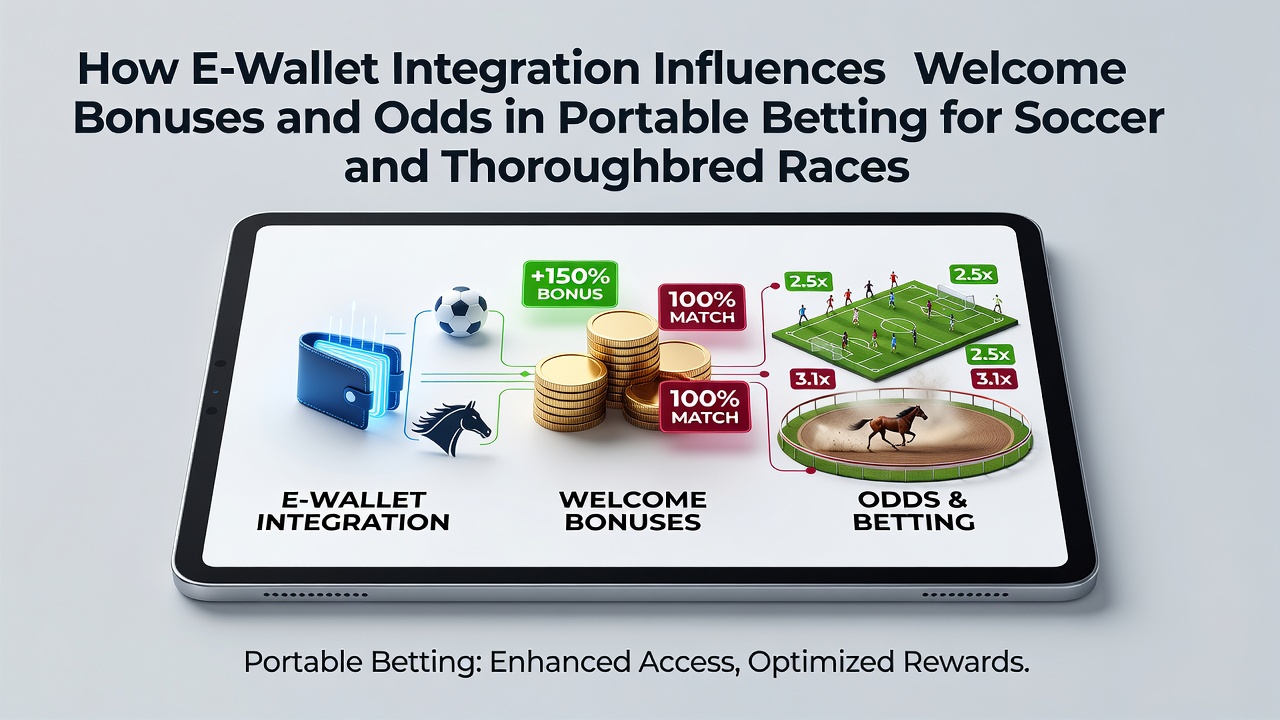
E-Wallet Systems Shift Welcome Bonuses and Odds Dynamics in Mobile Soccer and Thoroughbred Betting Platforms
Digital payment methods have altered how operators structure entry-level incentives and adjust pricing across handheld devices for football matches and thoroughbred events. Integration of services such as Skrill, Neteller, and PayPal reduces processing times to seconds rather than minutes, which in turn affects the size of signup rewards that platforms extend to new users and the margins they maintain on live lines.
Mechanics of E-Wallet Integration in Portable Markets
Operators route deposits through these channels because transaction fees drop below those associated with traditional cards or bank transfers. Data from industry monitoring groups indicate that platforms passing these savings along often increase the percentage of initial deposits matched in welcome packages, sometimes reaching 100 percent up to a fixed cap. The same efficiency allows real-time updates to odds boards during matches and races, since funds clear instantly and risk exposure calculations refresh without delay.
Thoroughbred racing apps in particular benefit during morning line releases and in-running adjustments at tracks like Ascot or Newmarket. Soccer markets see parallel effects when leagues such as the Premier League or Champions League fixtures generate high-volume traffic. Observers note that settlement speed also influences cash-out features, giving users immediate access to adjusted balances that can be redeployed into new selections.
Adjustments to Welcome Bonus Structures
Platforms that accept e-wallets frequently advertise tiered rewards tied directly to the deposit method chosen. A user funding an account via Skrill might receive an additional free bet credit unavailable to those using slower options. Reports compiled by the European Betting and Gaming Association show that such differentiated offers appear more frequently in markets where mobile traffic exceeds 70 percent of total volume.
These variations stem from lower chargeback rates and reduced administrative overhead. Operators recover costs faster, enabling them to expand the scope of bonus funds or extend wagering requirements in ways that still attract volume. In August 2026, several major apps introduced time-limited e-wallet incentives ahead of the new European football season and the final stretch of flat racing, aligning promotional calendars with peak mobile engagement periods.
Influence on Odds and Market Margins
Lower operational costs translate into tighter margins on popular selections. Data indicates that bookmakers using instant payment rails can shave an additional 0.2 to 0.5 percentage points from overround figures on high-liquidity soccer matches without sacrificing profitability. Thoroughbred race markets follow similar patterns, especially on win and place bets where turnover moves quickly between post time and the off.
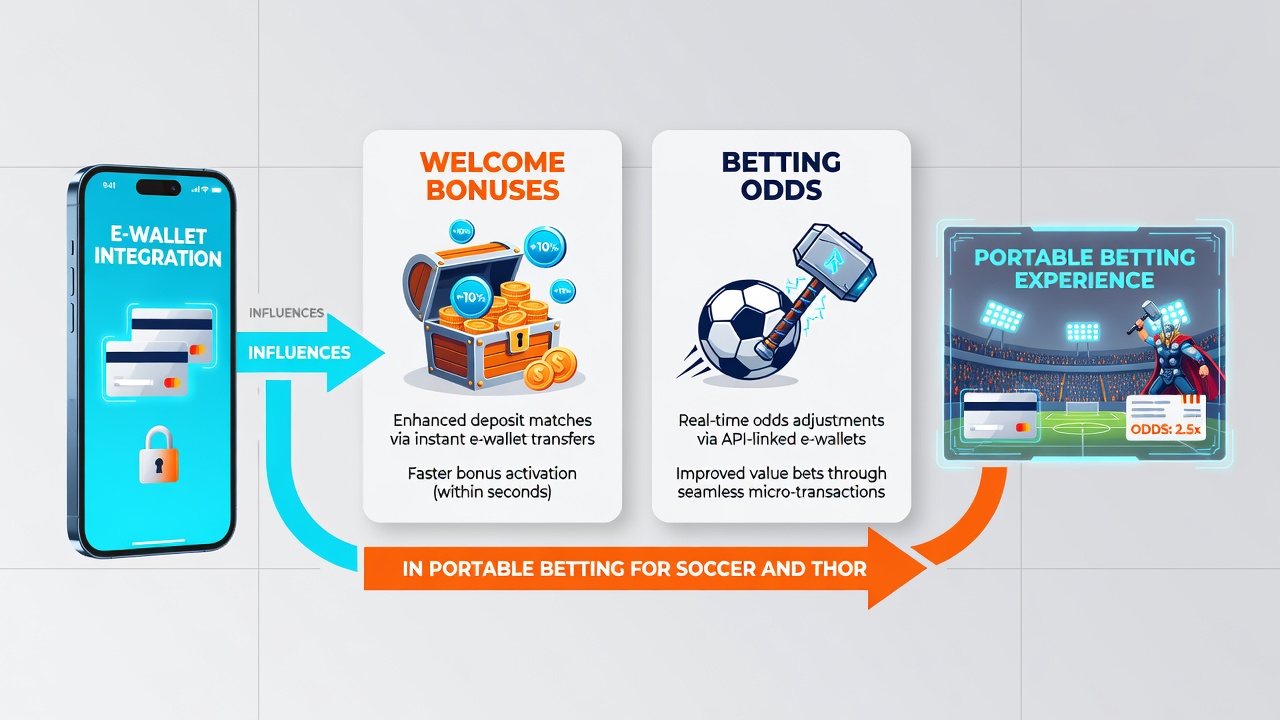
Those who track pricing across multiple sites observe that e-wallet-enabled operators update lines more aggressively during live events. A late goal in a soccer fixture or a change in track conditions at a thoroughbred meeting triggers faster recalculations when deposits and withdrawals clear without friction. This responsiveness keeps quoted probabilities aligned with actual risk, although the overall edge remains consistent with regulatory requirements in each jurisdiction.
Regional Patterns and Platform Examples
Markets outside the United Kingdom reveal comparable trends. Australian operators regulated by state authorities have documented increased mobile sign-ups when e-wallet bonuses replace traditional card offers. Canadian provincial frameworks similarly record higher average deposit values among users opting for digital wallets during major racing festivals.
One platform serving both soccer and thoroughbred audiences reported that e-wallet users accounted for 45 percent of new accounts in the first half of 2026 while generating 60 percent of bonus-related wagering activity. Such figures align with broader industry data showing that instant funding correlates with elevated engagement rates across portable interfaces.
Regulatory Context and Future Developments
Authorities in multiple regions continue to examine how payment technology intersects with responsible gambling tools. The Nevada Gaming Control Board has issued guidance requiring operators to maintain equivalent consumer protections regardless of deposit channel, a stance echoed in recent position papers from the International Centre for Sports Studies. These frameworks ensure that faster transactions do not bypass age verification or spending limit mechanisms.
Technical upgrades scheduled for late 2026 aim to embed additional verification layers directly into e-wallet APIs. Such enhancements should further streamline bonus delivery while preserving oversight standards across soccer and racing products.
Conclusion
E-wallet integration continues to reshape entry incentives and pricing precision in mobile betting environments for soccer and thoroughbred events. Reduced processing friction allows operators to expand reward structures and maintain competitive margins, patterns confirmed by usage statistics and regulatory monitoring across several jurisdictions. As adoption widens, the connection between payment method, bonus scale, and live odds remains a central factor in platform design.